
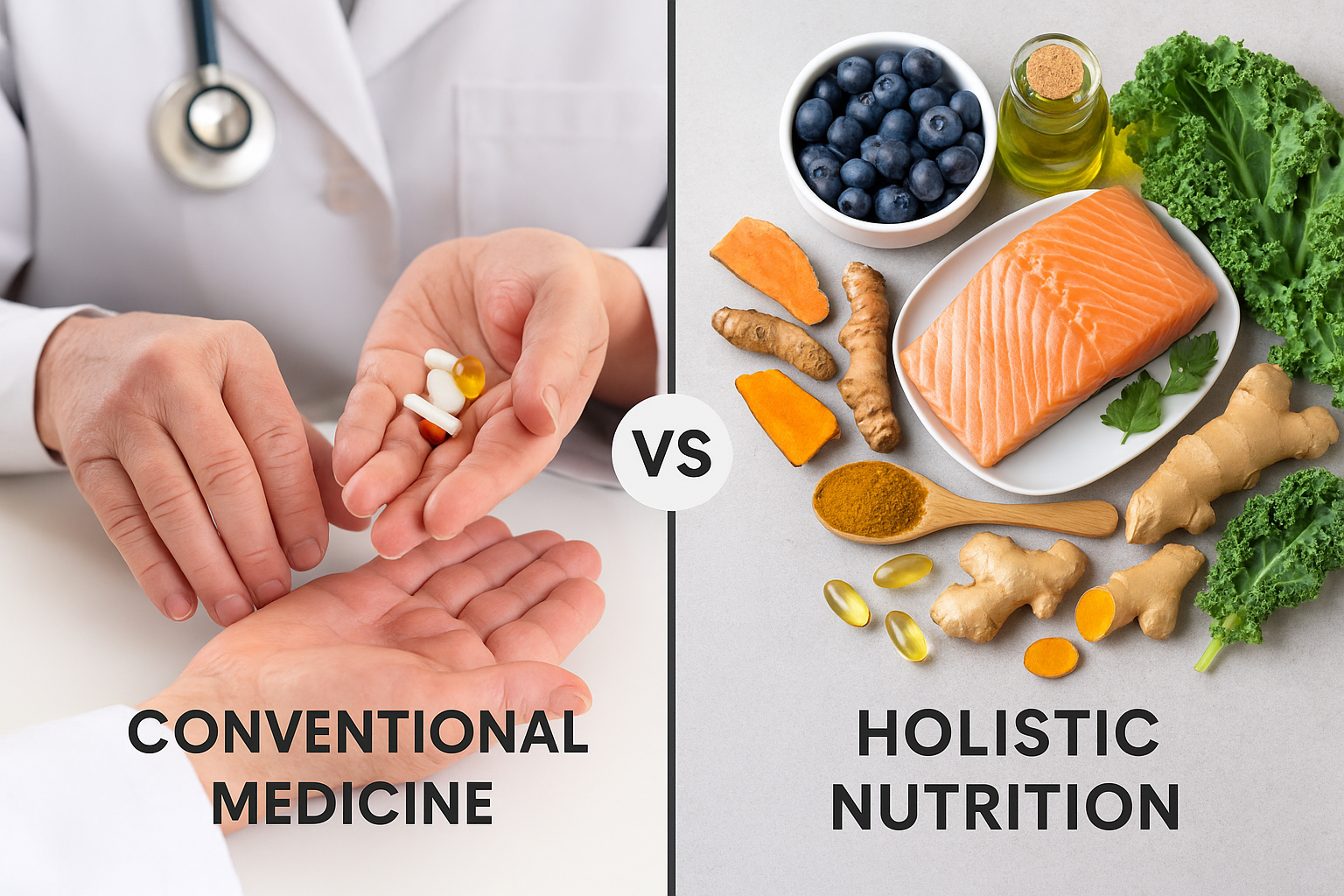
Conventional Medical View on Rheumatoid Arthritis
In conventional medicine, rheumatoid arthritis (RA) is classified as an autoimmune disorder in which the body’s immune system mistakenly attacks the joints, leading to inflammation, swelling, and potential joint damage. Standard treatment protocols are primarily focused on suppressing the immune response, reducing inflammation, and alleviating pain.
Common pharmaceutical interventions include:
-
Corticosteroids
-
Non-steroidal anti-inflammatory drugs (NSAIDs)
-
Disease-modifying antirheumatic drugs (DMARDs) such as methotrexate
-
Biologic agents targeting immune pathways
The central goal in this approach is symptom control and prevention of joint destruction, rather than identifying the root cause behind the immune system’s overactivation.
Limitations of this model include:
-
Significant side effects from long-term medication use
-
Dependence on immunosuppressants
-
Neglect of lifestyle factors such as nutrition, gut health, environmental toxins, and chronic stress
Holistic Nutrition Approach to Rheumatoid Arthritis
Holistic and functional nutrition views rheumatoid arthritis not merely as a joint disease but as a manifestation of systemic immune imbalance, chronic inflammation, gut dysfunction, and toxic burden. Rather than suppressing symptoms, this approach focuses on restoring physiological balance at its root.
Key principles of holistic nutritional care for rheumatoid arthritis include:
1. Reducing Inflammation Through Therapeutic Nutrition
The first step involves eliminating inflammatory foods such as refined sugar, gluten, industrial seed oils, processed foods, and conventional dairy. These are replaced with anti-inflammatory whole foods, including:
-
Leafy green vegetables
-
Wild-caught salmon
-
Turmeric and ginger
-
Extra virgin olive oil
-
Blueberries and other antioxidant-rich fruits
2. Healing the Gut and Improving Digestion
Many individuals with RA suffer from leaky gut syndrome or gut dysbiosis, both of which can trigger immune overactivation. Interventions may include:
-
Identifying and removing food sensitivities
-
Incorporating fermented foods, bone broth, and glutamine
-
Using high-quality probiotics and prebiotics to rebuild the microbiome
3. Supporting Natural Detoxification Pathways
The liver plays a central role in clearing environmental toxins and metabolic byproducts. In RA patients, a toxic burden—such as heavy metals or pesticide exposure—can contribute to disease flare-ups. Detox support involves:
-
Nutritional support for liver phase I & II detox pathways
-
Hydration, fiber intake, and bile flow enhancement
-
Use of detoxifying foods such as cruciferous vegetables and herbs like milk thistle
4. Modulating Immunity Without Suppression
Rather than shutting down immune function, holistic care works to rebalance the immune system naturally using evidence-based supplements:
-
Omega-3 fatty acids
-
Curcumin
-
Medicinal mushrooms (e.g., reishi, cordyceps)
-
Vitamin D and zinc
5. Managing Stress and Improving Sleep Quality
Chronic stress disrupts immune regulation and increases inflammation. A comprehensive plan includes:
-
Relaxation practices (breathing exercises, mindfulness)
-
Gentle movement (yoga, walking, tai chi)
-
Sleep hygiene strategies to restore circadian rhythm and hormonal balance
Core Difference in Philosophy
The conventional medical model aims to silence the symptoms, often through immune suppression. In contrast, holistic nutrition seeks to understand why the disease was activated and addresses the entire ecosystem of the body — including nutrition, digestion, detoxification, immunity, and lifestyle.
In this integrative approach, the patient is viewed not merely as a passive recipient of treatment, but as an active participant in their healing journey.