
Understanding Allergies and Asthma
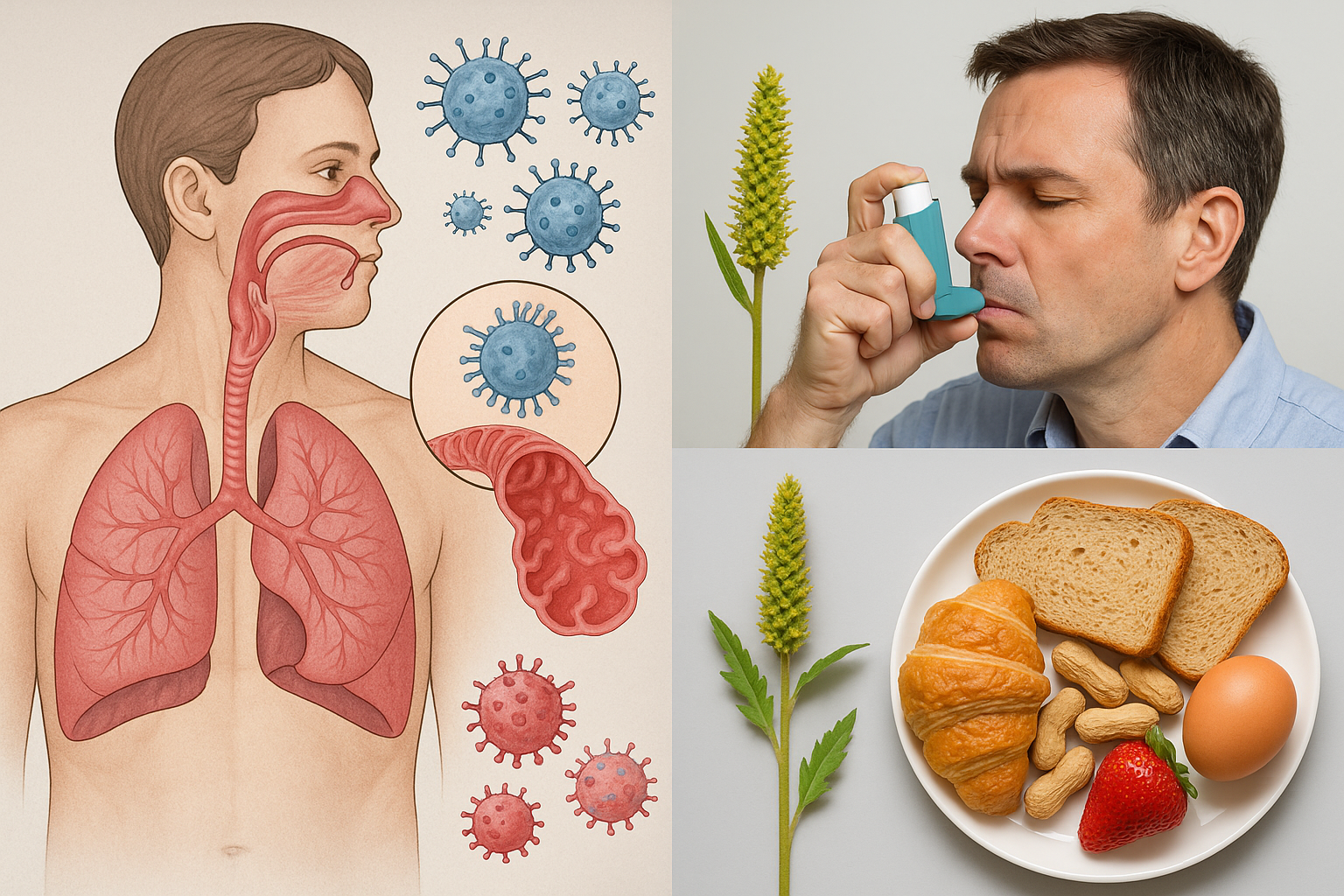
Allergies and asthma are immune-mediated conditions resulting from the body’s exaggerated response to substances that are typically harmless, such as pollen, food proteins, or environmental particles. These reactions are often rooted in chronic systemic inflammation, increased intestinal permeability (leaky gut), and immune system dysregulation.
Common Symptoms
-
Sneezing, nasal congestion, or runny nose
-
Itchy eyes, throat, skin
-
Skin reactions such as hives or eczema
-
Food sensitivities and intolerances
-
Asthmatic symptoms: wheezing, coughing, chest tightness, shortness of breath
-
Histamine intolerance: headaches, facial flushing, anxiety, palpitations
Conventional Medical Approach
In conventional medicine, treatment focuses on managing acute symptoms. Common interventions include:
-
Antihistamines to reduce allergic reactions
-
Inhalers containing corticosteroids or bronchodilators for asthma management
-
Immune-suppressing medications in severe cases
-
Allergen elimination diets or immunotherapy (allergy shots)
However, these strategies rarely address root causes such as gut health, systemic inflammation, or detoxification capacity.
Functional and Holistic Nutrition Approach
A root-cause functional approach considers allergies and asthma as systemic inflammatory conditions involving multiple biological systems. The main therapeutic goals include:
-
Identifying and addressing gut permeability, microbiome imbalance (dysbiosis), and impaired detoxification
-
Supporting immune balance through anti-inflammatory, nutrient-dense diets
-
Managing total histamine load from both dietary and environmental sources
-
Restoring gut barrier function through targeted nutrition and supplementation
-
Enhancing liver and lymphatic detox pathways for allergen clearance
-
Utilizing evidence-based supplements such as:
-
Quercetin (natural mast cell stabilizer)
-
Vitamin C (antioxidant and antihistamine effects)
-
Omega-3 fatty acids (anti-inflammatory)
-
N-acetylcysteine (NAC) for mucus clearance and liver support
-
Adaptogenic herbs for stress modulation and immune resilience
-
Scientific Insights
Emerging research highlights the gut-lung axis—a bidirectional communication system between intestinal health and respiratory function—as central in allergic and asthmatic conditions. Restoration of gut microbial balance has been shown to reduce IgE-mediated hypersensitivity, lower airway inflammation, and improve immune tolerance.