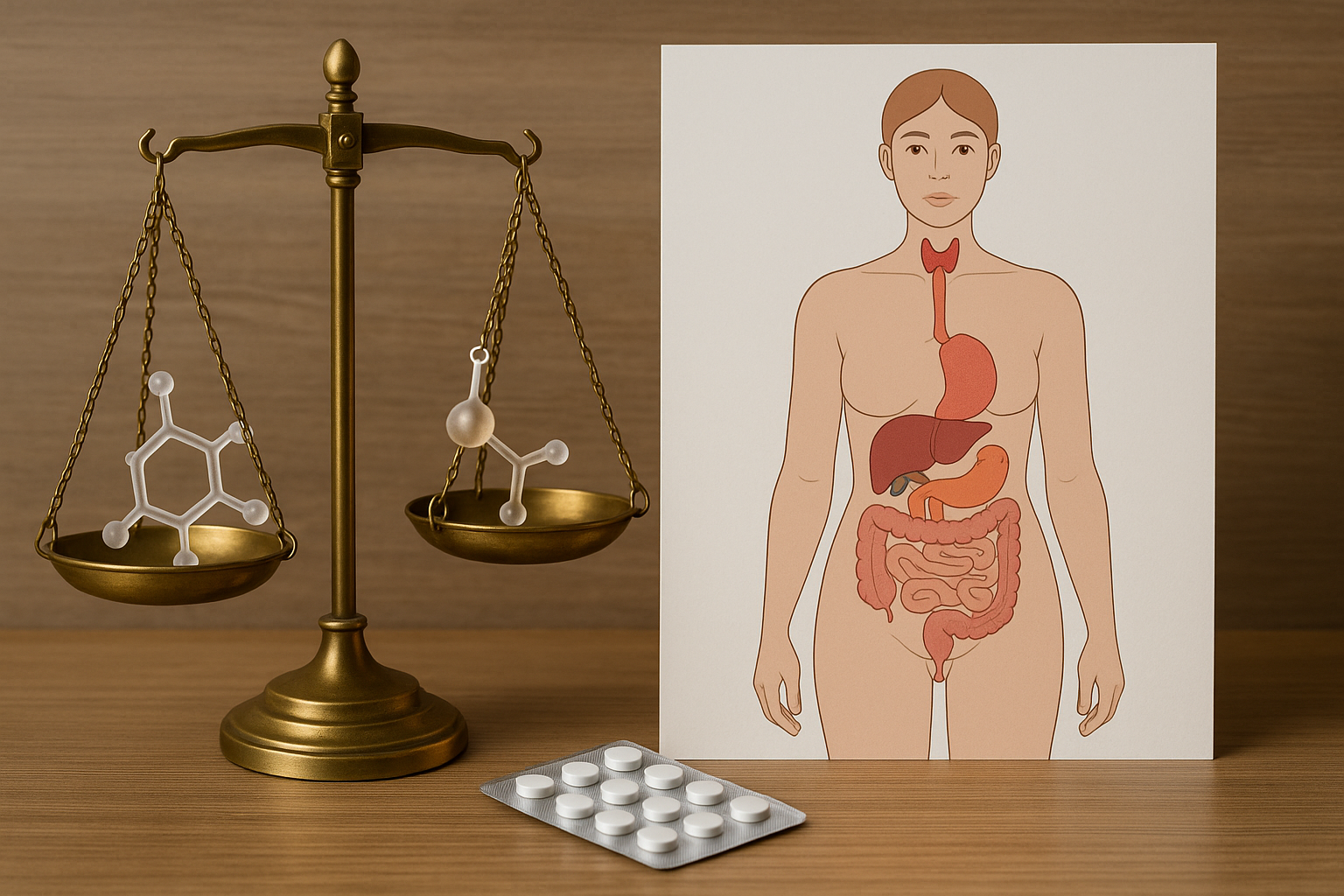
What Is Hormonal Imbalance?
Hormonal imbalance refers to any disruption in the normal production, regulation, or function of hormones in the body. Hormones are chemical messengers that influence vital functions such as metabolism, mood, energy levels, reproductive health, and sleep quality. An imbalance may result from chronic stress, poor dietary habits, blood sugar instability, environmental toxin exposure, or dysfunction in the gut-liver axis.
Common Conditions Associated with Hormonal Imbalance
-
Premenstrual syndrome (PMS), irregular or painful menstrual cycles
-
Polycystic ovary syndrome (PCOS)
-
Menopause and perimenopause symptoms
-
Thyroid disorders, including hypothyroidism and hyperthyroidism
-
Estrogen dominance
-
Adrenal fatigue and chronic exhaustion
Conventional Medical Approach
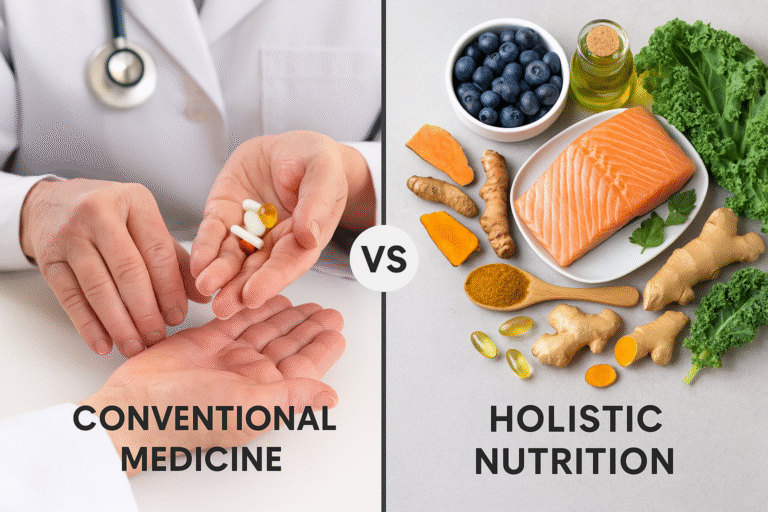
In conventional medicine, hormonal issues are typically addressed through symptom management. Common interventions include:
-
Hormone replacement therapy (HRT)
-
Birth control pills
-
Thyroid hormone medications
-
Antidepressants
Diagnostic procedures are often limited to serum hormone level tests, with less emphasis on systemic root causes such as gut integrity, liver function, or stress regulation mechanisms.
Functional Nutrition and Holistic Approach
A functional and integrative approach focuses on identifying and correcting the underlying causes of hormonal imbalance. This method supports the body’s innate ability to restore hormonal harmony through:
-
Personalized, anti-inflammatory nutritional protocols
-
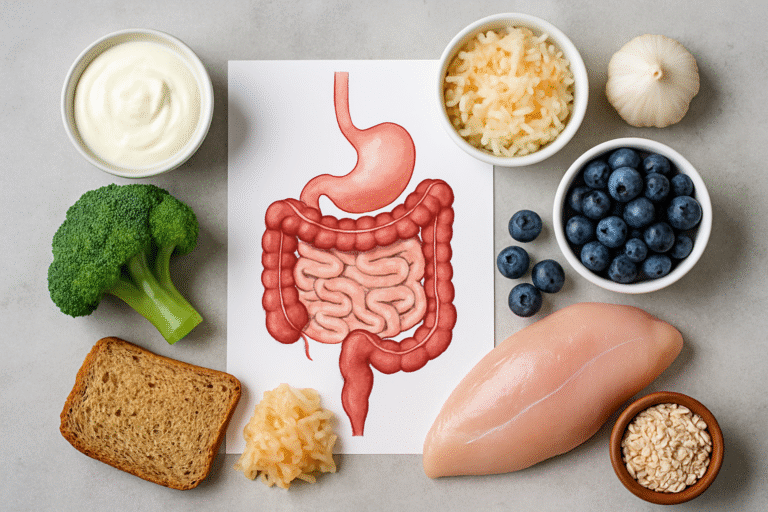
Gut healing and liver detoxification strategies to promote hormone clearance
-
Stress management and adrenal restoration techniques
-
Incorporation of medicinal foods, herbs, and lifestyle modifications
-
Attention to sleep quality, emotional well-being, and systemic inflammation
Rather than treating isolated symptoms, this approach views hormonal regulation as a dynamic, interconnected system requiring comprehensive care.
Scientific Foundations and Key Mechanisms
Recent scientific research underscores the importance of the following mechanisms in hormone health:
-
HPA Axis (Hypothalamic-Pituitary-Adrenal): Central in managing stress and cortisol regulation
-
Estrobolome: A component of the gut microbiota that influences estrogen metabolism and recirculation
-
Liver Detoxification: Phase I and II liver pathways are essential for processing and eliminating excess hormones
-
Insulin Sensitivity: Plays a key role in preventing PCOS, weight gain, and estrogen dominance
-
Micronutrient Sufficiency: Nutrients such as magnesium, zinc, B-complex vitamins, and omega-3