
Introduction: A Holistic Understanding of Obesity
Obesity is not simply about weight gain or fat accumulation. It is a complex, multi-layered dysfunction that involves disruptions in cellular metabolism, hormonal balance, gut microbiota, mental health, and lifestyle. Holistic nutrition addresses the root causes of obesity rather than merely focusing on calorie restriction or weight loss. This approach aims to restore balance across all levels of the human system — body, mind, and behavior.
1. Cellular Level: Why Do Cells Become “Obese”?
At the cellular level, obesity often originates from:
-
Chronic low-grade inflammation, which may result from processed foods, environmental toxins, gut microbiota imbalance (dysbiosis), and systemic acidity.
-
Insulin resistance, a condition in which cells no longer respond effectively to insulin, leading to fat storage and metabolic dysfunction.
-
Mitochondrial dysfunction, causing reduced energy production, fatigue, and fat accumulation.
-
Nutrient deficiencies, such as low levels of vitamin D, magnesium, omega-3 fatty acids, zinc, Coenzyme Q10 (CoQ10), and beneficial probiotics, all of which impair cellular function and metabolism.
2. Organ and Systemic Level
Obesity is also rooted in organ-level imbalances, including:
-
Digestive System Issues: Conditions such as leaky gut, gut dysbiosis, and chronic constipation negatively affect metabolism, immune response, and hunger/satiety signals.
-
Endocrine Disruptions: Hormonal imbalances, particularly in the thyroid, cortisol, insulin, leptin, ghrelin, and estrogen systems, contribute significantly to weight gain and fat retention.
-
Nervous System Dysfunction: Imbalance in neurotransmitters like dopamine and serotonin, and disturbances in the gut-brain axis, are associated with emotional eating and poor appetite regulation.
3. Mental and Lifestyle Factors
Lifestyle and psychological patterns can strongly influence the development and persistence of obesity:
-
Chronic stress raises cortisol levels, which increases appetite and promotes abdominal fat storage.
-
Poor sleep leads to hormonal imbalances, reducing leptin (the satiety hormone) and increasing ghrelin (the hunger hormone).
-
Sedentary behavior lowers insulin sensitivity and suppresses fat metabolism.
-
Mindless or emotional eating contributes to overeating, disconnection from hunger cues, and an unhealthy relationship with food.
4. Holistic Treatment Approach
A holistic strategy addresses multiple interconnected systems to reverse obesity in a sustainable way. This includes:
-
Restoring gut health through fermented foods, prebiotic fibers, probiotics, and removing potential irritants like gluten or dairy when appropriate.
-
Balancing hormones and insulin response by emphasizing low-glycemic meals, healthy fats, eating aligned with the circadian rhythm, and reducing stress.
-
Supporting cellular function with targeted nutrients such as omega-3s, antioxidants, and healing herbs like turmeric, ginger, and dandelion.
-
Rebalancing the nervous and digestive systems using breathwork, mindfulness practices, yoga, and trauma-informed nutritional therapy.
-
Integrating individualized movement through moderate physical activity such as walking, tai chi, or resistance training tailored to the person’s constitution and fitness level.
-
Developing personalized nutrition plans that consider the person’s unique physiology, gut health, emotional patterns, stress load, food sensitivities, and lifestyle.
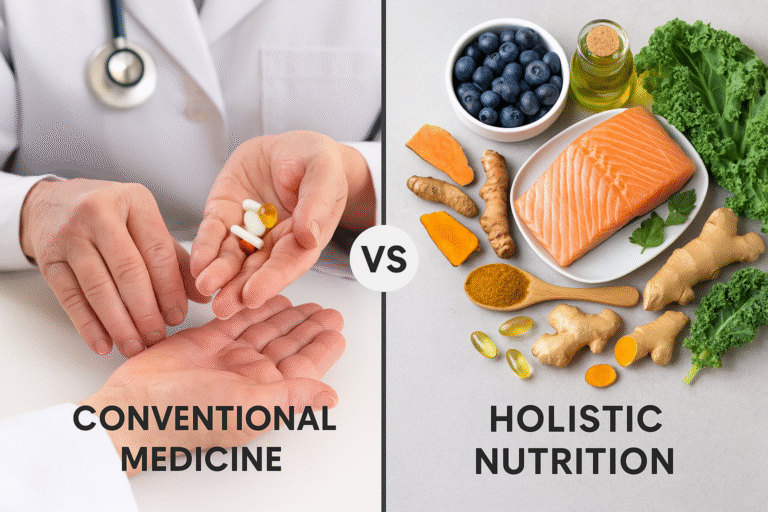
Key Differences Between Holistic and Conventional Nutrition
The holistic nutrition model differs from conventional approaches in several fundamental ways:
-
Focus: Conventional nutrition primarily emphasizes calorie counting and portion control, whereas holistic nutrition aims to uncover and address root causes, improve food quality, and enhance the body–mind connection.
-
Fat Consumption: In conventional models, fat is often restricted. Holistic nutrition promotes the use of healthy fats (such as avocado, olive oil, and nuts) as essential for hormone function and cellular repair.
-
Personalization: Conventional diets are usually generalized for the masses. Holistic nutrition offers highly customized plans based on an individual’s biochemical, emotional, and lifestyle profile.
-
Emotional Integration: Conventional methods often ignore psychological and emotional aspects of eating. In contrast, holistic nutrition treats emotional health and food relationship as critical elements of healing.